Bringing home your first horse is one of the most exciting milestones a rider can experience. It is also a real responsibility — horses depend completely on the people around them for food, shelter, exercise, and care. The good news? Once you build a steady daily routine, the basics become second nature.
This guide walks you through the essential daily care every new horse owner needs. We cover feeding, water, grooming, turnout, hoof care, and the health checks that help you spot problems early. Anywhere a professional is involved (your vet, farrier, or saddle fitter), we will point you in the right direction.
The daily check-in (morning and evening)
Your horse benefits most from consistency. Two simple check-ins every day — one in the morning, one in the evening — let you spot small issues before they become big ones.
Each check-in should answer the same questions:
- Is my horse alert and bright-eyed?
- Is the water clean and full?
- Has hay been eaten as expected?
- Are there any new cuts, swellings, or stiff legs?
- Is the manure normal in amount and consistency?
This takes 5–10 minutes and is the single most valuable habit you can build. Many new owners journal it for the first few weeks while they learn what is normal for their specific horse.
Feeding basics — forage first
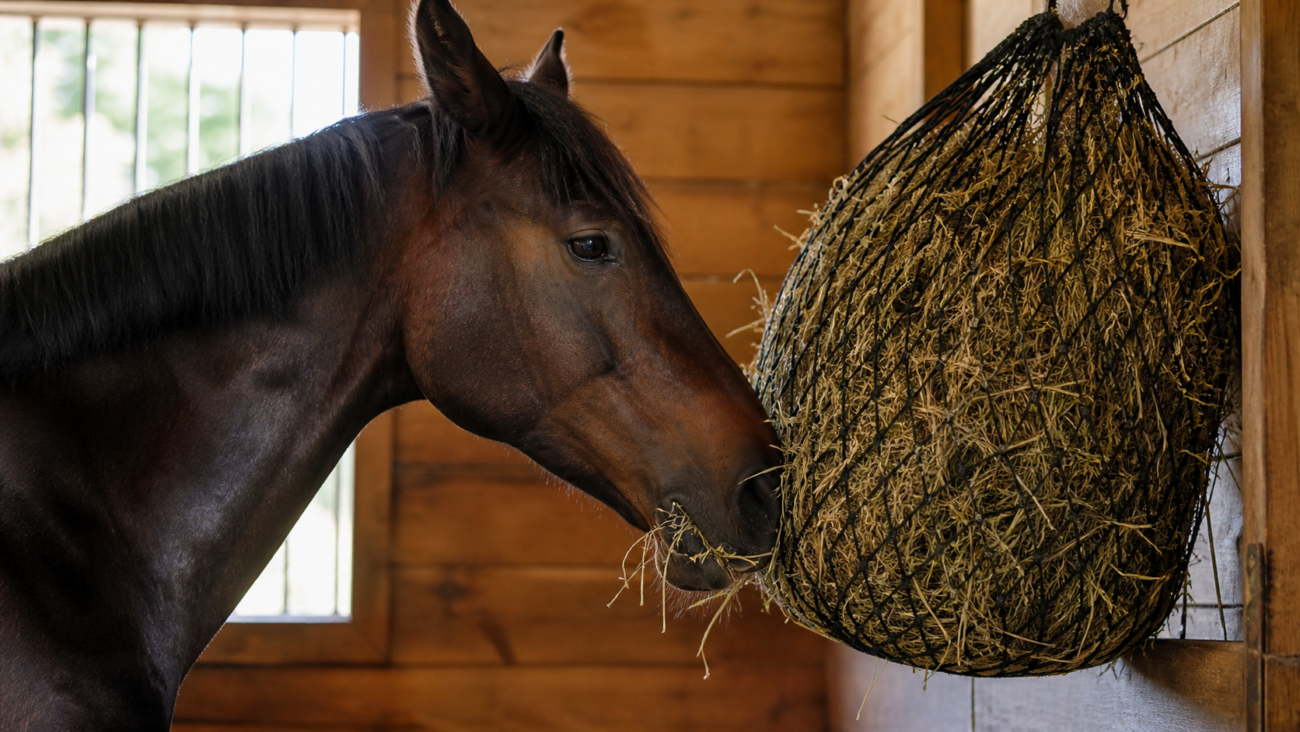
Horses are designed to graze for 16+ hours a day. Their digestive systems work best when food is steady, not in big bursts. For most healthy adult horses, the foundation is:
- Quality hay or pasture as the main diet (1.5–2.5% of body weight per day)
- Grain or concentrates only if needed, based on workload, age, or specific conditions
- Fresh, clean water available 24/7 — average horses drink 5–15 gallons a day
- A salt source (block or loose) for minerals
Do not overfeed grain. Sudden diet changes are a leading cause of digestive trouble. If your horse stops eating, eats much less than usual, or shows signs of digestive distress (kicking the belly, rolling, sweating), call your veterinarian immediately. (For deeper info: our Horse Feeding Basics guide is coming soon.)
Water — the part most beginners underestimate
Water is the easiest thing to get right and the easiest thing to forget. Horses can drink anywhere from 5 to 15 gallons per day — much more in heat, after work, or when eating dry hay.
Practical habits:
- Check (and ideally clean) buckets and troughs daily
- Top up at every check-in
- In freezing weather, break ice or use heated buckets
- After hard exercise, give cool (not icy) water in small amounts
Reduced water intake is one of the earliest signs something might be wrong. Always call your veterinarian if your horse drinks noticeably less for more than a day.
Grooming — five minutes that matter
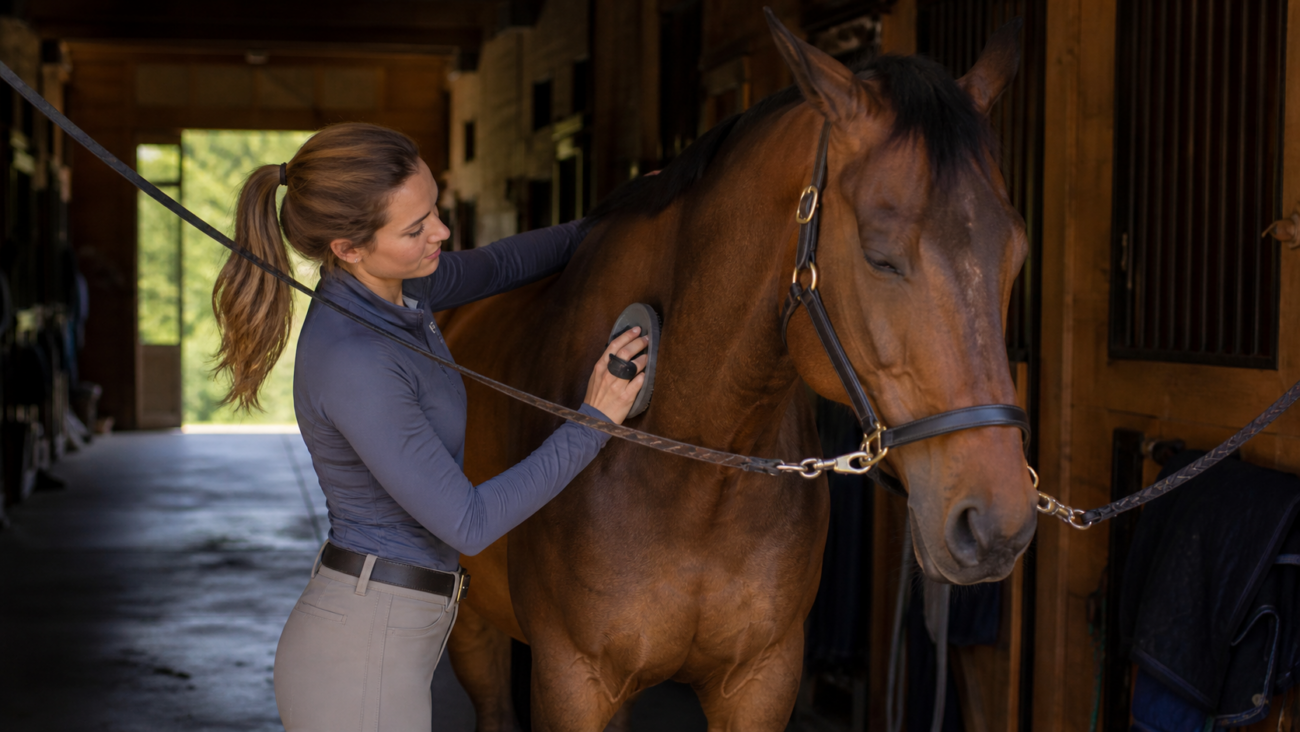
A short grooming session every day does more than make your horse pretty. It is how you bond, distribute natural oils through the coat, check for ticks and small injuries, and pick up debris from hooves.
A simple daily grooming routine:
- Pick out hooves with a hoof pick — the #1 daily must-do
- Curry comb in circular motions to lift dirt and dander
- Hard brush to flick off the loosened debris
- Soft brush for face and sensitive areas
- Comb mane and tail gently, working from the bottom up
Five minutes is enough on busy days; ten is better. (For a full breakdown: our Horse Grooming Basics guide is coming soon.)
Turnout, exercise, and movement
Horses are built to move. Without enough turnout or exercise, they get stiff, bored, and prone to behavior problems. Healthy horses generally need:
- Daily turnout in a paddock or pasture if at all possible
- Light to moderate exercise appropriate to their age, fitness, and workload
- Variety — riding, lunging, ground work, hand-walking — keeps both body and brain fresh
Always warm up gradually before work and cool down after. If your horse is suddenly reluctant to move, off in their gait, or breathing hard after light work, contact your veterinarian.
Hoof care and your farrier
“No hoof, no horse” is one of the oldest sayings in the barn — and it is true. Healthy hooves are essential.
Daily hoof care for owners:
- Pick out hooves twice daily if possible (morning and after work)
- Look for stones, packed mud, signs of thrush (foul smell), or cracks
- Note any heat in the hoof or unusual sensitivity
Most horses need a farrier every 6–8 weeks for trimming and (if they wear them) shoes. Build that schedule from day one. For any new lameness, heat, or hoof injury, contact your farrier and your vet.
Daily health checks — what to look for
The goal is not to play vet — it is to know your horse’s normal. The faster you spot a change, the easier most issues are to manage. Things to monitor each day:
- Eyes: clear, bright, no discharge or swelling
- Nose: clean, no thick discharge
- Coat: smooth, no new lumps or sores
- Legs: equal warmth, no swelling, free movement
- Manure: consistent number of piles, normal consistency
- Behaviour: alert, eating normally, interested in surroundings
Always call your veterinarian for: a horse that will not eat, stops drinking, lies down and will not get up, kicks at the belly, paws repeatedly, breathes hard at rest, or shows new lameness. Many serious horse health issues are time-sensitive — do not wait.
Building a calm bond
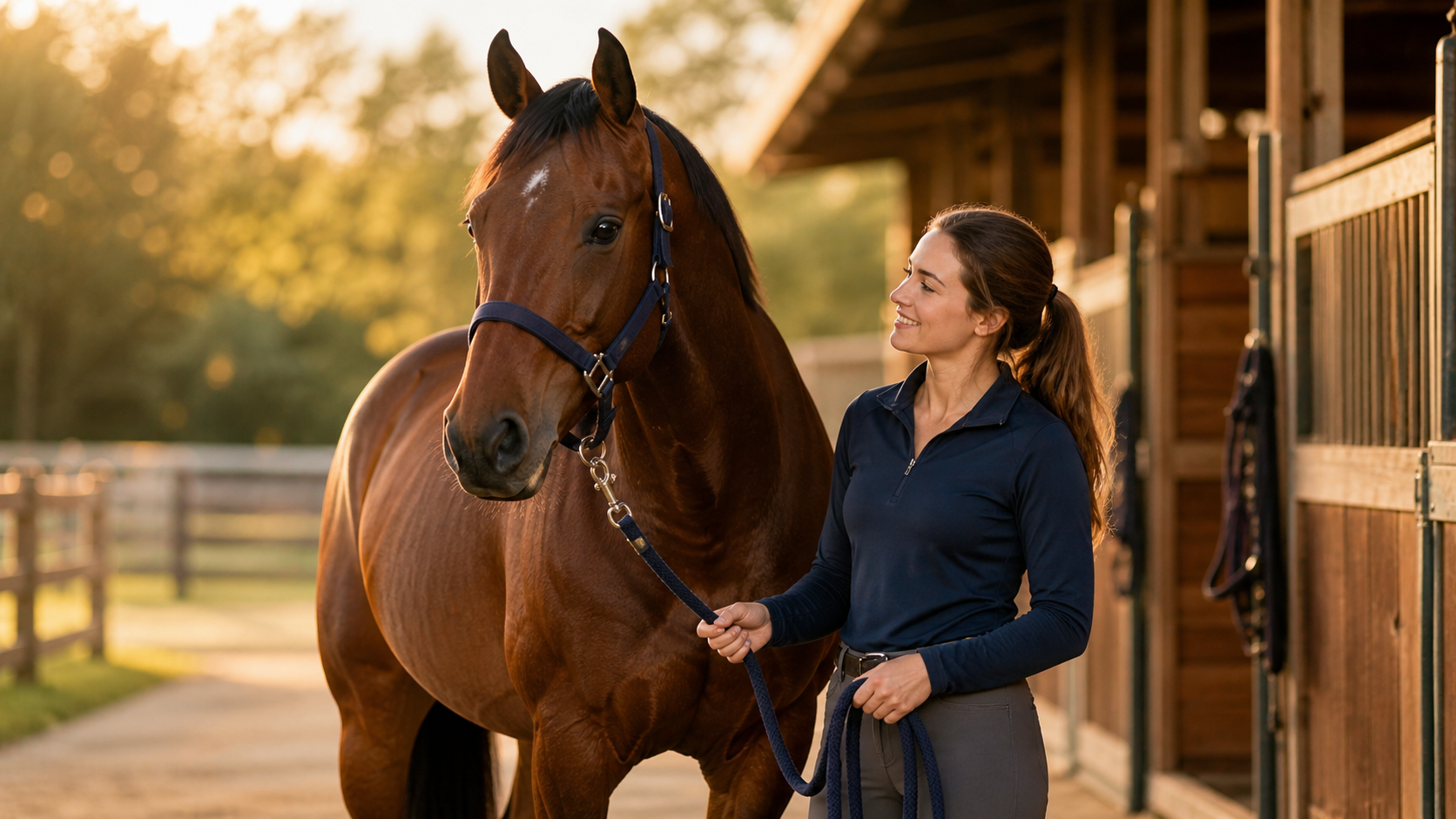
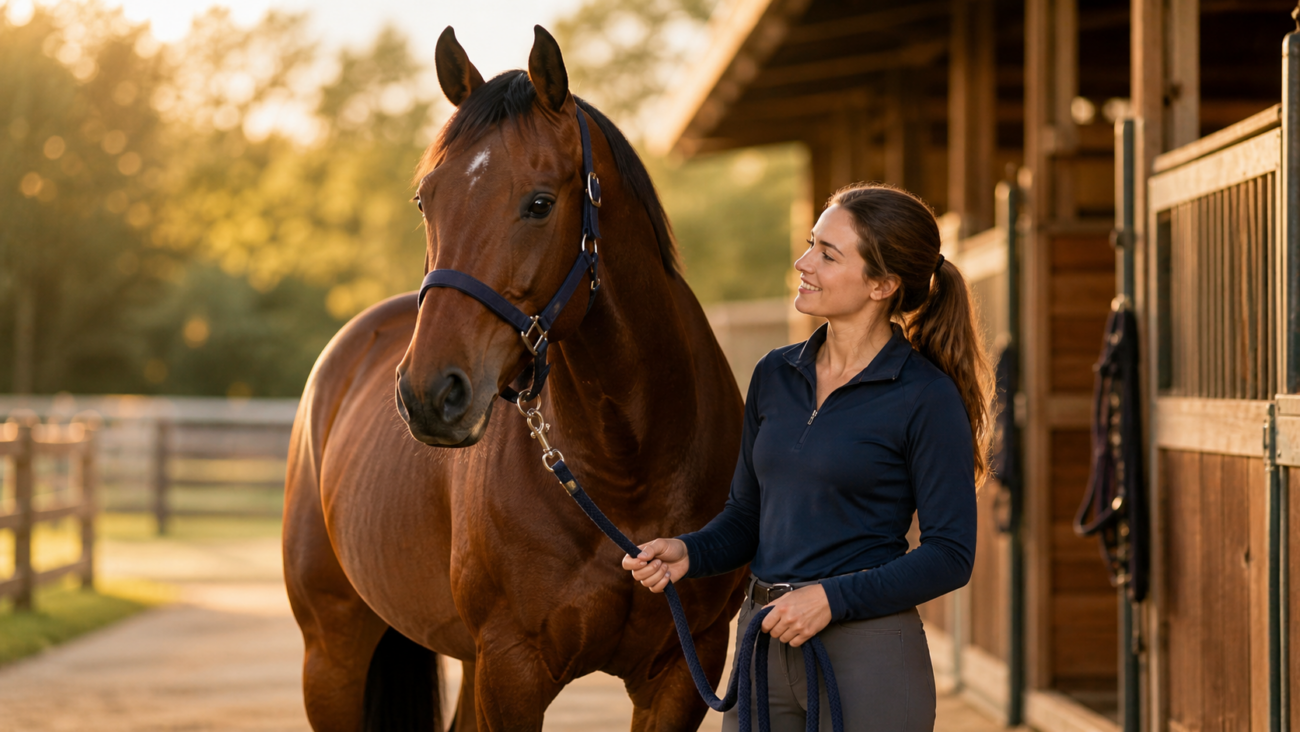
Daily care is not only about chores. The few minutes you spend grooming, leading, or simply standing quietly with your horse build trust that pays off in every ride.
- Greet your horse the same way every day
- Move calmly and predictably around them
- Reward good behaviour with quiet praise (and the occasional treat)
- End every session on a calm note
Horses are sensitive, social animals. The more consistent and patient you are, the more relaxed and confident your horse becomes.
Beginner mistakes to avoid
Everyone makes mistakes the first year. The most common ones:
- Overfeeding grain to a horse that does not need it
- Inconsistent turnout (“just one day off” turning into a week)
- Skipping the daily hoof pick until something goes wrong
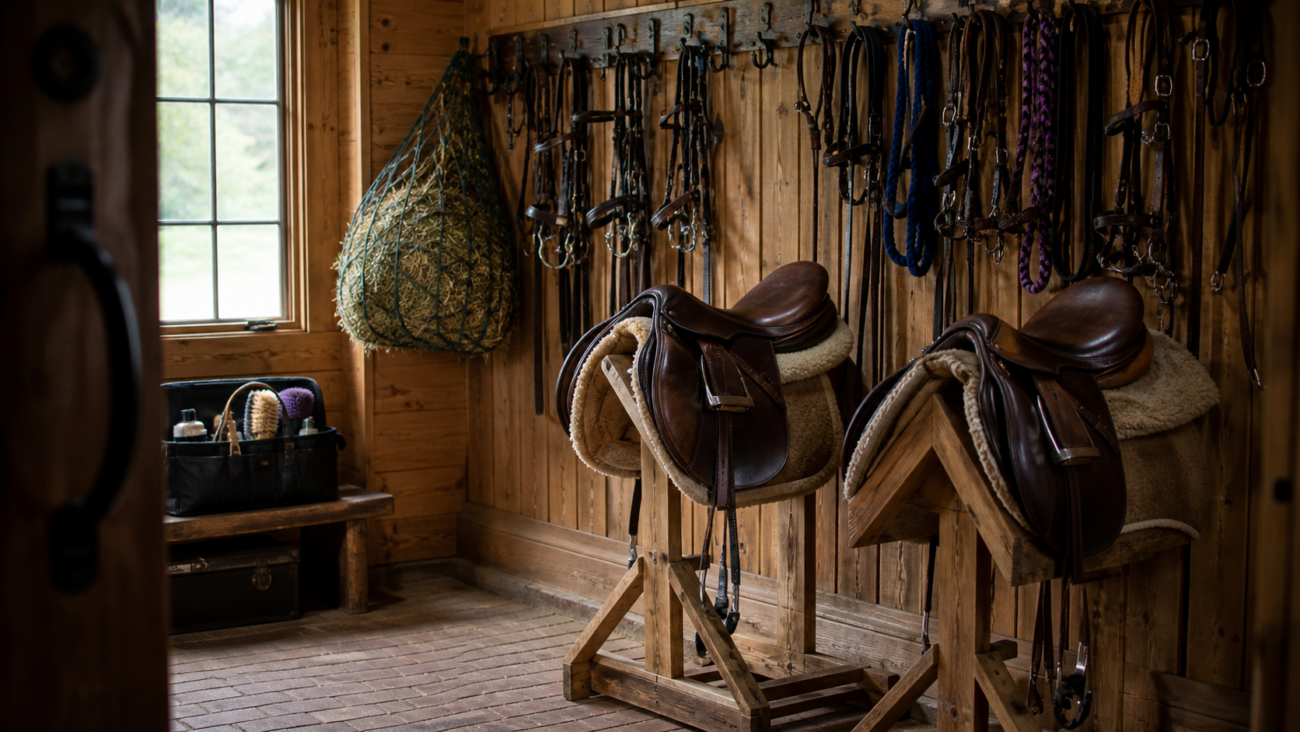
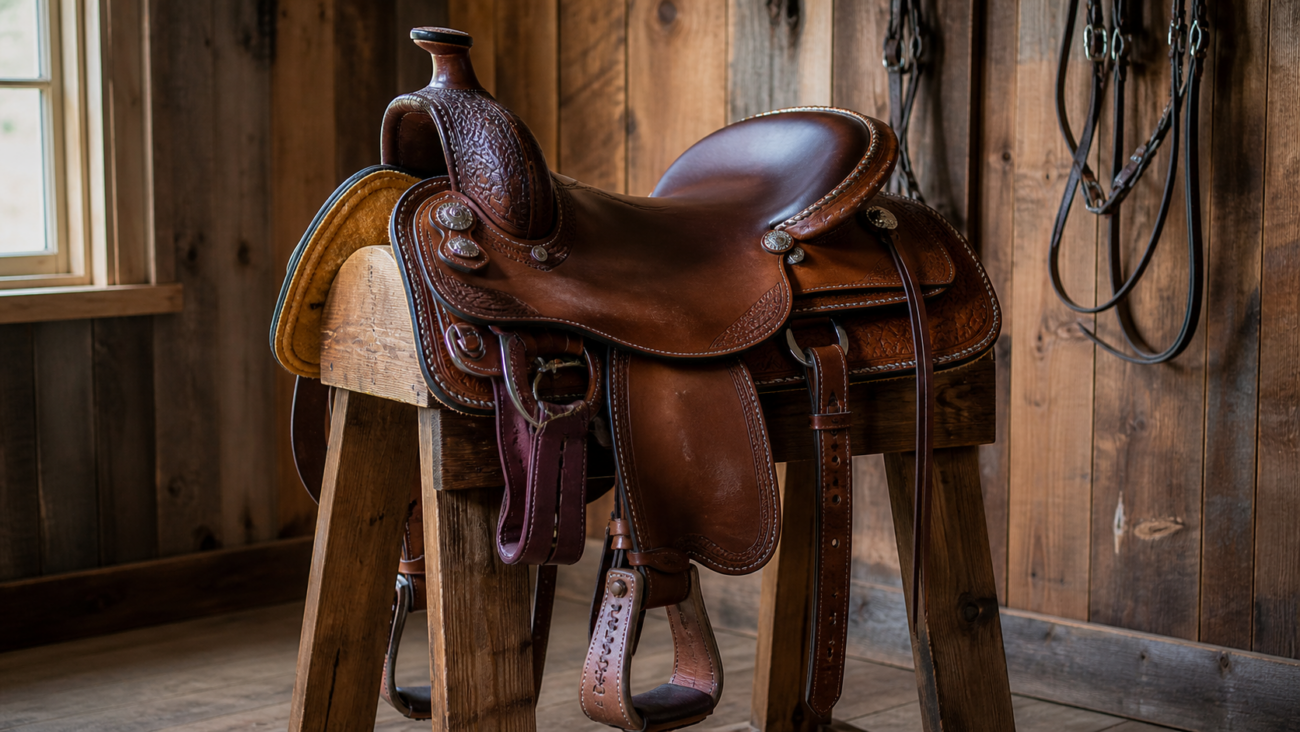
- Buying tack before consulting a saddle fitter — badly fitting saddles cause real pain
- Trying to diagnose health issues from internet forums instead of calling the vet
- Pushing through subtle lameness hoping it works itself out
Awareness is half the cure.
A simple daily checklist
A quick checklist for every day. Print it, stick it on the tack-room wall:
- ✅ Hay topped up
- ✅ Water clean and full
- ✅ Hooves picked
- ✅ 5-minute grooming + body check
- ✅ Manure cleared (if stalled)
- ✅ Turnout or exercise time
- ✅ General behaviour and eating noted
- ✅ Anything unusual? Call vet/farrier as needed
When in doubt, ask a professional
You do not need to know everything on day one. The best horse owners build a small team they can call:
- Your veterinarian — for any health concern, big or small
- Your farrier — every 6–8 weeks, plus any hoof issue
- A professional saddle fitter — before you commit to a saddle, and any time your horse seems uncomfortable under tack
- An experienced trainer or mentor — for ground work, riding, and confidence
Being a great horse owner is mostly about being consistent, observant, and humble enough to ask for help.
FAQ
How much time does daily horse care really take?
For one horse, plan 30–60 minutes a day for basic chores (feed, water, hay, hoof pick, body check, manure if stalled). Riding and exercise are on top of that. Boarding can reduce the time you personally spend, but daily check-ins are still important.
How often should I groom my horse?
Aim for a quick 5–10 minute grooming session every day — even on rest days. A longer 20-minute session before riding is ideal. Daily hoof picking is the single most important grooming habit.
Do horses need turnout every day?
Yes, if at all possible. Daily turnout supports physical and mental health. Even an hour or two helps if a full day is not possible. Horses kept stalled 24/7 are more prone to stiffness, ulcers, and behavior issues.
When should I call the vet versus handle it myself?
Anything new and you are not sure about → call. Specifically: refusing to eat, refusing to drink, signs of colic (rolling, kicking belly), sudden lameness, deep wounds, eye injuries, fever, or any major behavior change. Vets would much rather hear from you early than late.
What basic gear do I need to start?
Halter, lead rope, hoof pick, basic grooming kit, feed buckets, water buckets, a basic first-aid kit, and turnout gear if your climate needs it. We cover the full list in our Stable Essentials Every Rider Needs guide (coming soon).
The takeaway
Horse ownership is a long, rewarding learning curve. Once your daily routine becomes habit, you will start spotting subtle changes most beginners miss — and that is where great horsemanship really starts. Build your team, trust your routine, and never hesitate to ask for help.
Browse our Equestrian & Ranch shop for everyday essentials, or explore more horse guides on the Petrending blog — we will keep adding new ones every few weeks.





 Food & Nutrition
 Treats & Chews
 Toys
 Beds & Furniture
 Bowls, Feeders & Hydration
 Collars, Leashes & Harnesses
 Crates, Carriers & Travel
 Apparel & Accessories
 Grooming
 Health & Wellness
 Training & Behavior

 Food & Treats
 Litter & Cleanup
 Toys
 Trees & Scratchers
 Beds & Furniture
 Bowls & Feeders
 Health & Wellness
 Collars, Harnesses & Apparel
 Carriers & Travel