Walking into a tack store and seeing a wall of horse blankets is overwhelming. Sheets, lightweights, midweights, heavyweights, turnout, stable — what does it all mean? More importantly: when does your horse actually need one?
This guide breaks down horse blankets and sheets in plain terms, with sizing tips, fit checks, and a clear answer to the eternal question: “should I blanket?”
Sheet vs blanket — the simple difference
The terms get used loosely, but here is the practical version:
- Sheet: a single layer of fabric with no fill (insulation). Used for light protection — wind, drizzle, dust, light cool weather.
- Blanket: has insulating fill (measured in grams). Used for cold weather warmth.
Weights explained
Blanket “weights” refer to how many grams of fill the blanket contains:
- Sheet (0g): wind, light rain, dust
- Lightweight (50–100g): cool nights, mild days
- Midweight (150–200g): cold-but-not-freezing
- Heavyweight (250–400g): deep cold, especially for clipped or older horses
For most U.S. climates, a sheet plus a midweight covers 80% of the year for a clipped horse. Unclipped horses need less blanketing — sometimes none.
Turnout vs stable blankets
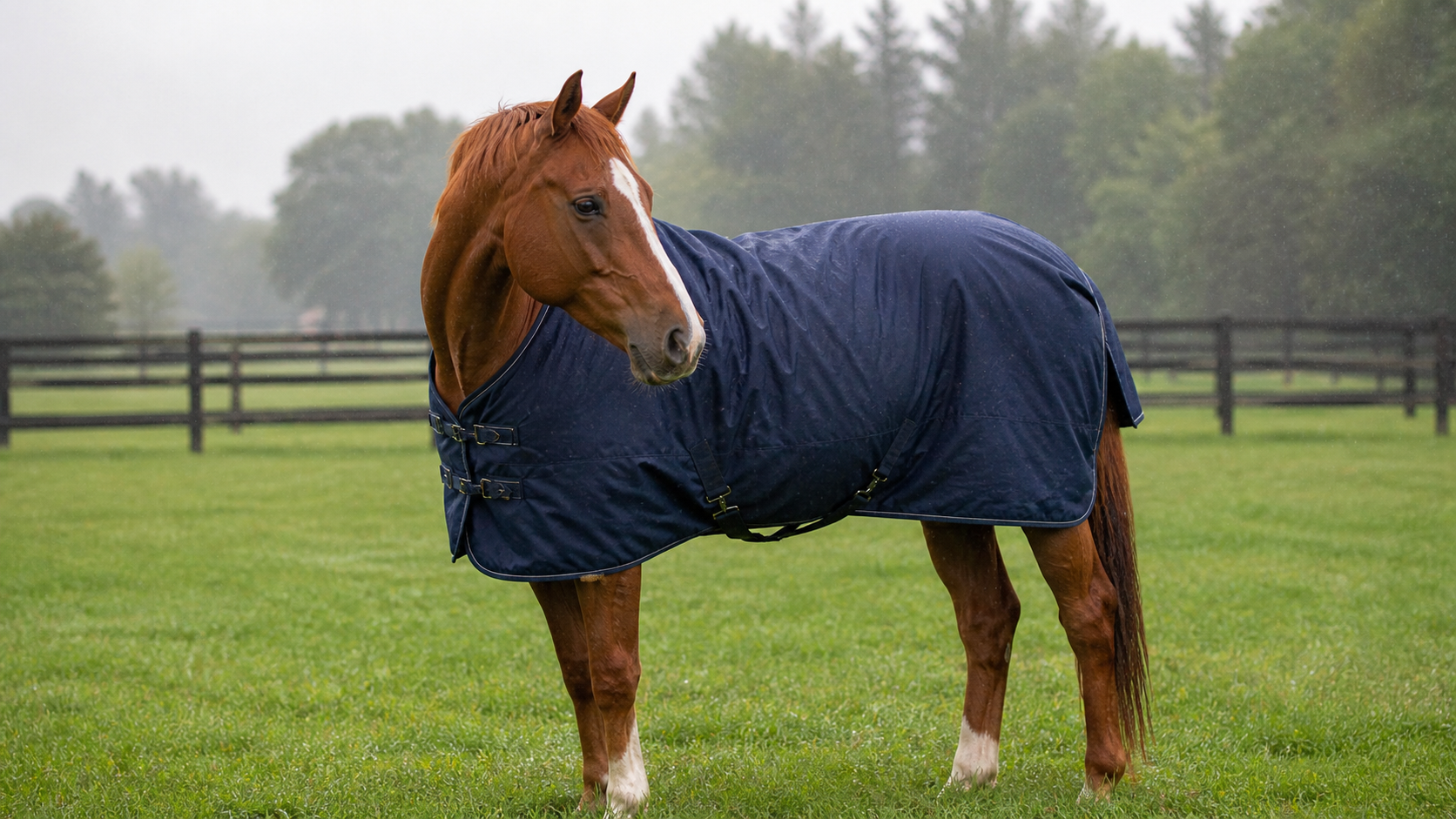
- Turnout blankets are waterproof and tough, built for outdoor use
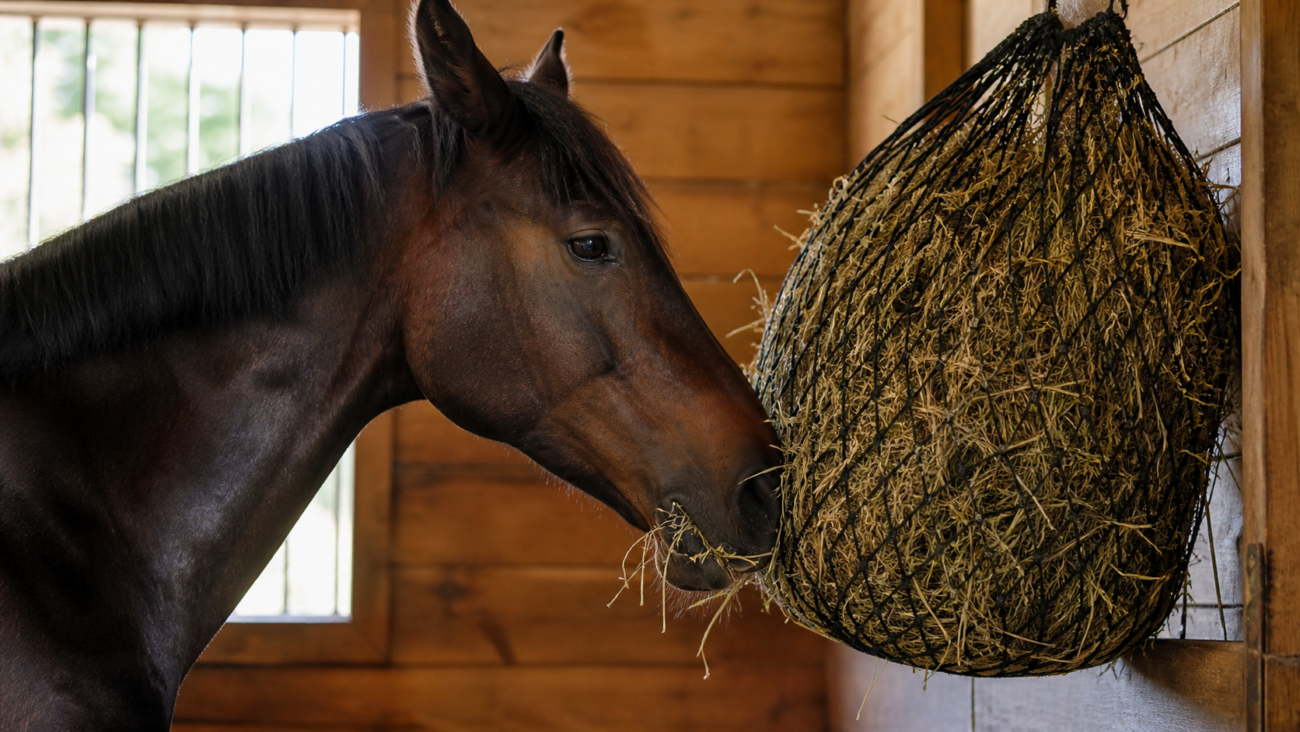
- Stable blankets are lighter, not waterproof, used for indoor warmth
Most owners only need turnouts unless their horse is stalled in a cold barn.
Waterproofing and breathability
A turnout blanket should be waterproof and breathable. Look for ratings like “1200D” or “1680D” (denier of the outer shell — higher is tougher) and waterproof ratings (often listed in millimeters or “fully waterproof”). Cheap blankets soak through; quality turnouts shed rain for years.
Sizing your horse correctly
Most blankets are sized in inches, measured from the center of the chest, around the shoulder, to the point of the rump. A typical adult horse takes a 72″–82″ blanket.
- Use a soft tape measure with the horse standing square
- Round up if you are between sizes
- Check fit at withers, shoulders, chest, and tail
- The blanket should clear the spine but lie smoothly across the topline
Poorly sized blankets cause rubs, sores, and skin issues — and an angry horse.
When to blanket — and when NOT to
The honest answer: most healthy, unclipped horses do not need blankets in mild weather. Their coat is the best insulator nature has built.
Blanket when:
- Horse is fully or trace clipped
- Sustained cold + wet conditions, especially with wind
- Horse is older, thin, or recovering from illness (with vet input)
- Horse is shivering, with no other shelter option
Skip the blanket when:
- Horse has a thick winter coat and access to shelter
- Temperatures are mild and dry
- Day-to-day weather is changing rapidly (constant blanket changes are stressful)
Fit issues and rub spots
Watch for:
- Hair loss at withers, shoulder, or chest
- Pressure marks under the blanket lining
- Slipping or twisting
- Damp patches when the blanket should be dry
For sores, raw skin, or persistent rubs, contact your veterinarian. Adjust fit, switch to a different cut, or add a shoulder guard.
Care, washing, and storage
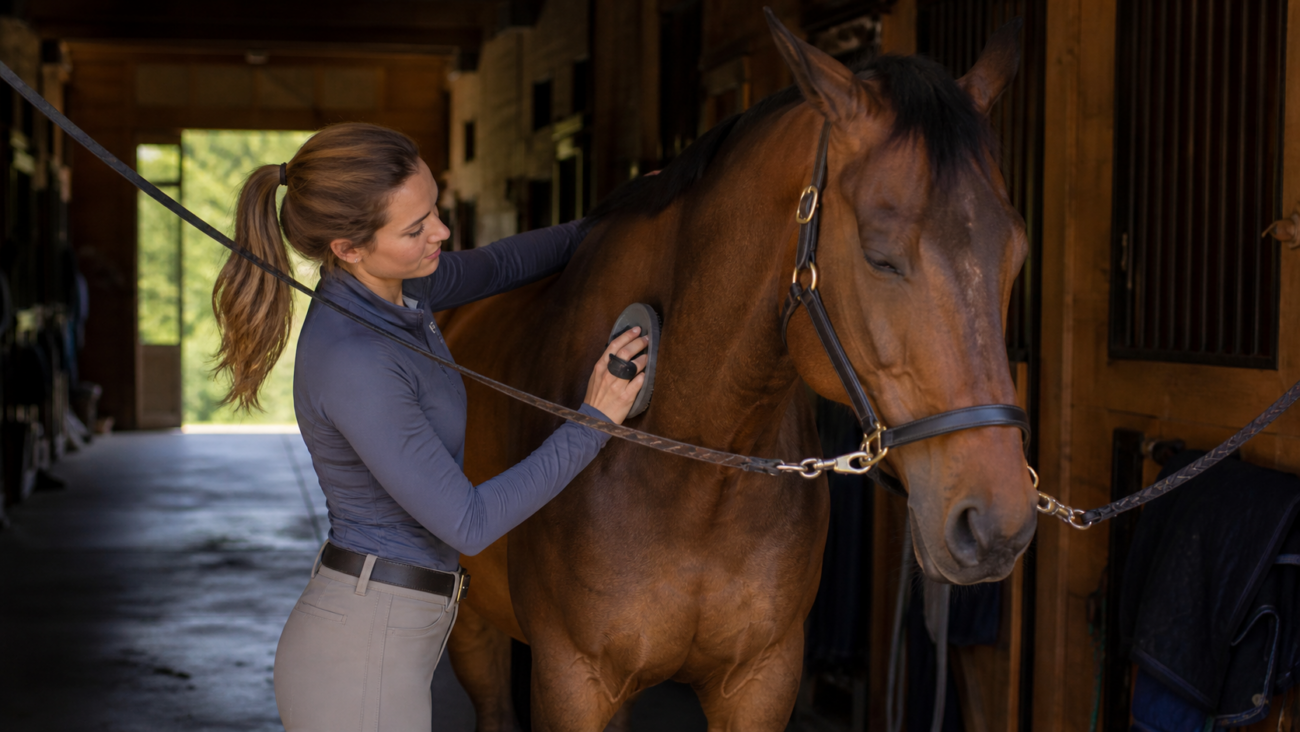
- Brush off dirt and sweat after each use
- Spot-clean stains promptly
- Wash 1–2 times per season — many farm-supply stores offer pro blanket washing
- Re-waterproof annually with an equine-safe spray
- Store dry and clean in a sealed bin or blanket bag
A beginner’s blanket buying checklist
- ✅ Measured horse correctly
- ✅ Picked weight based on actual climate, not catalog defaults
- ✅ Turnout = waterproof; stable = breathable
- ✅ Checked for fit at withers, chest, tail
- ✅ Care plan in place (washing, storage)
Common blanket buying mistakes
New owners often run into the same pitfalls when shopping for blankets:
- Buying for catalog weather, not your actual climate — match weight to where you live
- Sizing up “in case the horse grows” — too-big blankets shift, twist, and rub
- Picking style over function — fancy patterns matter less than fit and waterproofing
- Getting only one blanket — most horses need at least a sheet, a midweight, and a fly sheet through the year
- Skipping the measure step — pulling a brand-new blanket out of plastic in a tack store and guessing the size
- Storing wet — a blanket put away damp grows mold and ruins the waterproof shell
Take the time to measure properly and pick the right weight before clicking buy.
Blanket layering in cold weather
Layering blankets helps you adjust insulation as weather changes day to day:
- A light or midweight under + a waterproof turnout shell over lets you add or remove layers as temperatures shift
- Keep the under-blanket close-fitting to prevent slipping
- Both layers should be designed for layering — random combinations cause rubs
- Check both layers daily — rubs hide between layers
Layering takes a little more daily attention but keeps your horse comfortable across a wide temperature range.
Checking rubs, straps, and fit after turnout
Every time you bring a blanketed horse in:
- Run your hands under the blanket along the withers, shoulders, and chest
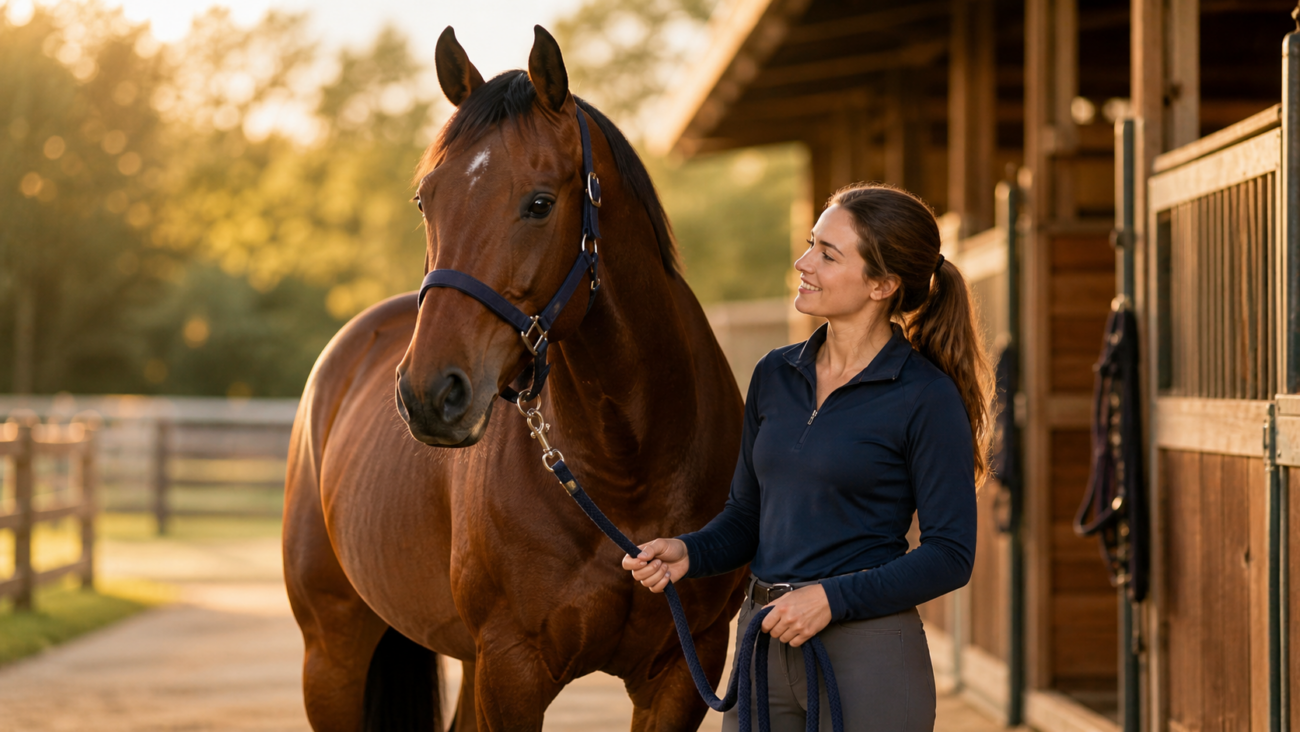
- Check leg straps — loose enough to fit two fingers but not low enough to catch a hoof
- Look for tail damage from a too-tight tail flap
- Inspect for tears, broken clips, and loose stitching
- Watch for hair loss patches — the first sign of a fit problem
For raw skin, hair loss, or persistent rubs, consult your veterinarian and consider switching to a different blanket cut or adding a shoulder guard.
FAQ
What temperature should I start blanketing?
For unclipped, healthy horses with shelter: most do not need a blanket until temperatures stay below freezing with wet/wind. For clipped horses or older horses, start a sheet around 50°F and a lightweight by 40°F. Adjust to your specific horse.
Can a horse overheat in a blanket?
Yes. Over-blanketing is more common than under-blanketing in mild climates. Signs include sweating under the blanket, restlessness, and a hot chest. Remove the blanket if your horse is sweating.
How do I know what size my horse takes?
Measure from the center of the chest, around the shoulder, to the point of the rump. Most adult horses take 72″–82″. Round up if you are between sizes.
Should I blanket a wet horse?
No. Always dry the horse first or use a wicking sheet underneath. A blanket over a wet horse traps moisture and chills the body.
Are saddle pads the same as blankets?
No — completely different. A saddle pad goes under the saddle while you ride. A horse blanket is body-warmth gear. See our Saddle Pads vs Horse Blankets guide (coming soon) for a full comparison.
The takeaway
Blanketing is more nuanced than the catalog suggests. Match the weight to your real climate, fit it carefully, and watch your horse’s behaviour for clues. Browse our Equestrian & Ranch shop for blankets and sheets, or explore more horse guides on the Petrending blog.





 Food & Nutrition
 Treats & Chews
 Toys
 Beds & Furniture
 Bowls, Feeders & Hydration
 Collars, Leashes & Harnesses
 Crates, Carriers & Travel
 Apparel & Accessories
 Grooming
 Health & Wellness
 Training & Behavior

 Food & Treats
 Litter & Cleanup
 Toys
 Trees & Scratchers
 Beds & Furniture
 Bowls & Feeders
 Health & Wellness
 Collars, Harnesses & Apparel
 Carriers & Travel