Buying tack should not feel like a guessing game. The single most important rule: fit comes before features. A poorly fitting saddle can cause back pain, behavior problems, and lasting damage — no amount of beautiful leather makes up for that.
This guide walks you through the basics every beginner should know about saddles, bridles, bits, and saddle pads, plus when to bring in a professional saddle fitter.
Start with fit (and a saddle fitter)
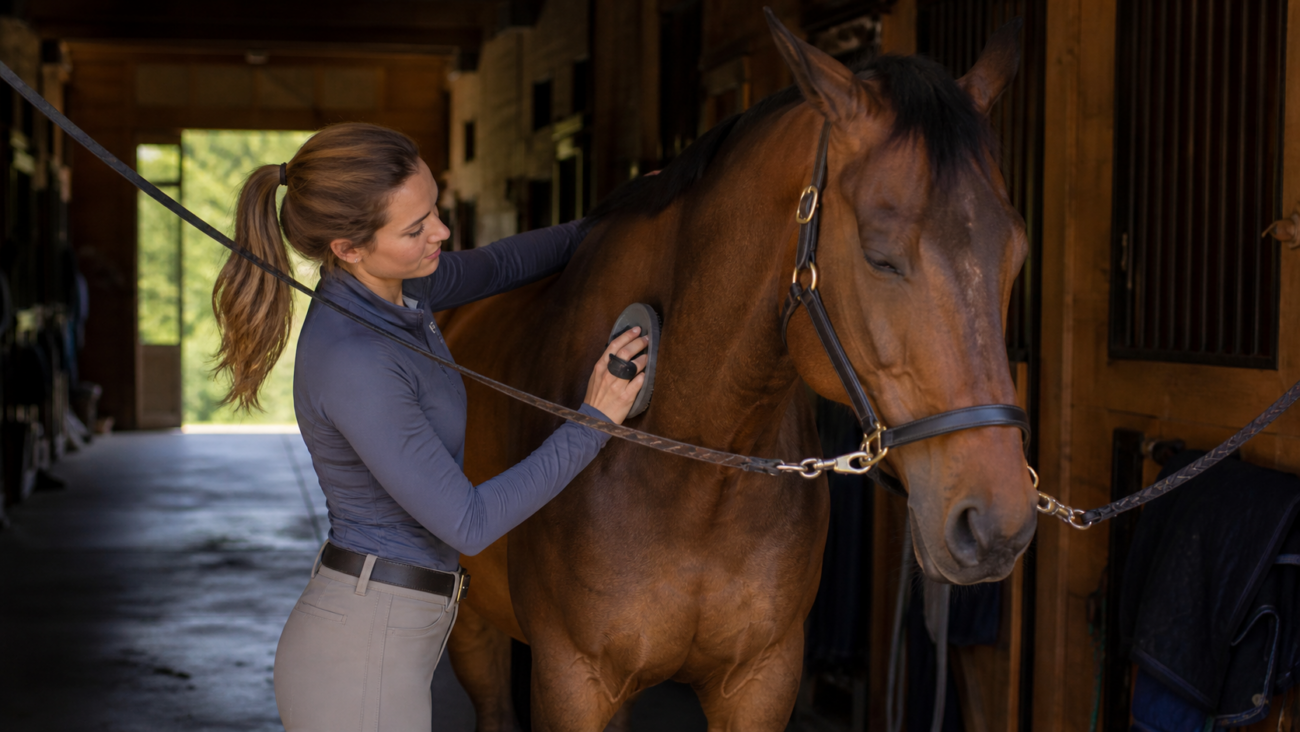
Before you buy any saddle, get your horse’s back and your own riding position evaluated. A professional saddle fitter checks tree width, panel shape, balance, and gullet clearance, and matches the saddle to both you and your horse. Many fitters travel between barns, and a single visit can save you thousands in returns and chiropractic bills.
If your horse suddenly refuses to stand for tacking, pins ears under saddle, or develops dry spots after sweating, suspect fit. Stop riding and call a fitter or your veterinarian.
English vs Western basics
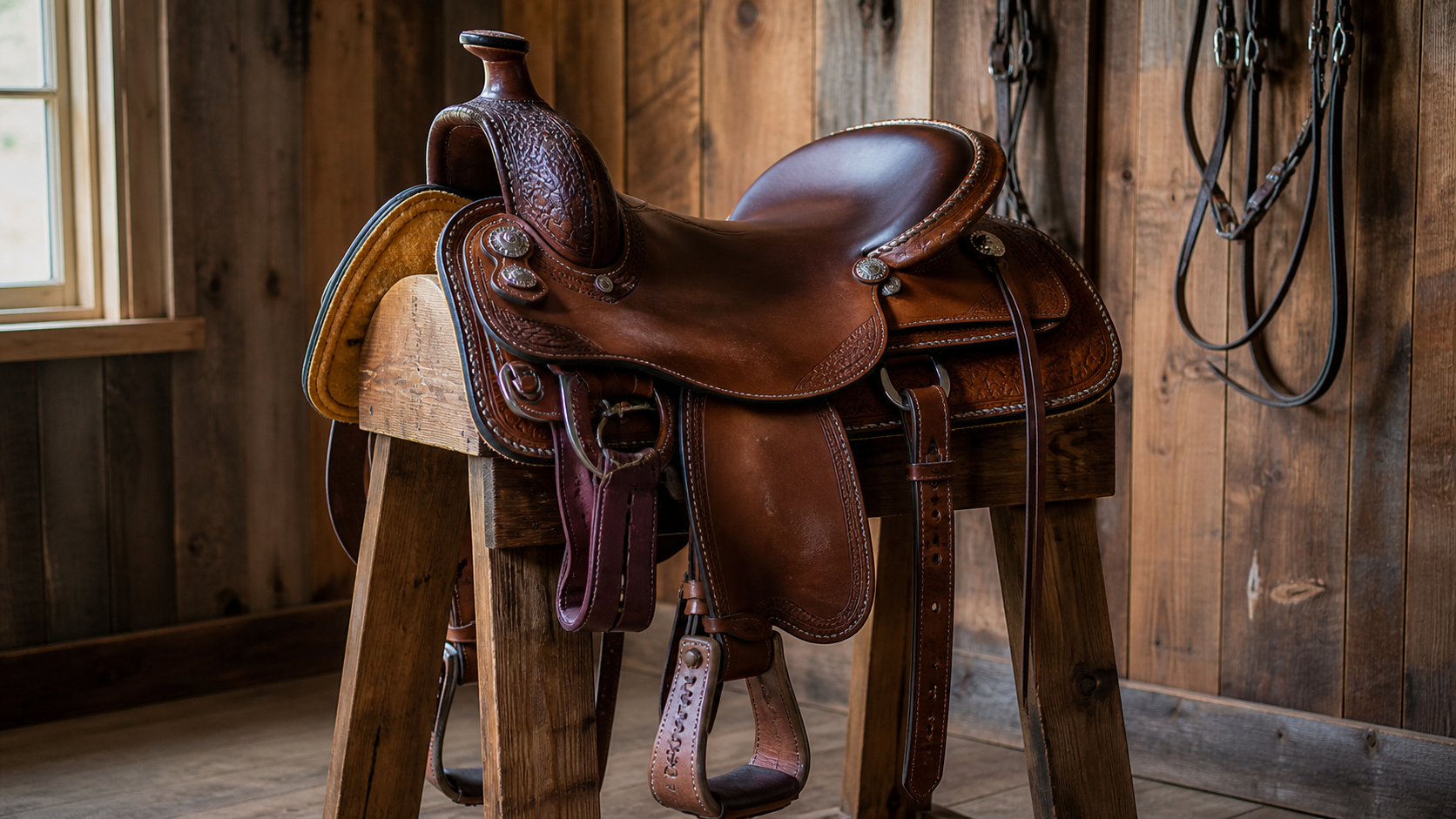
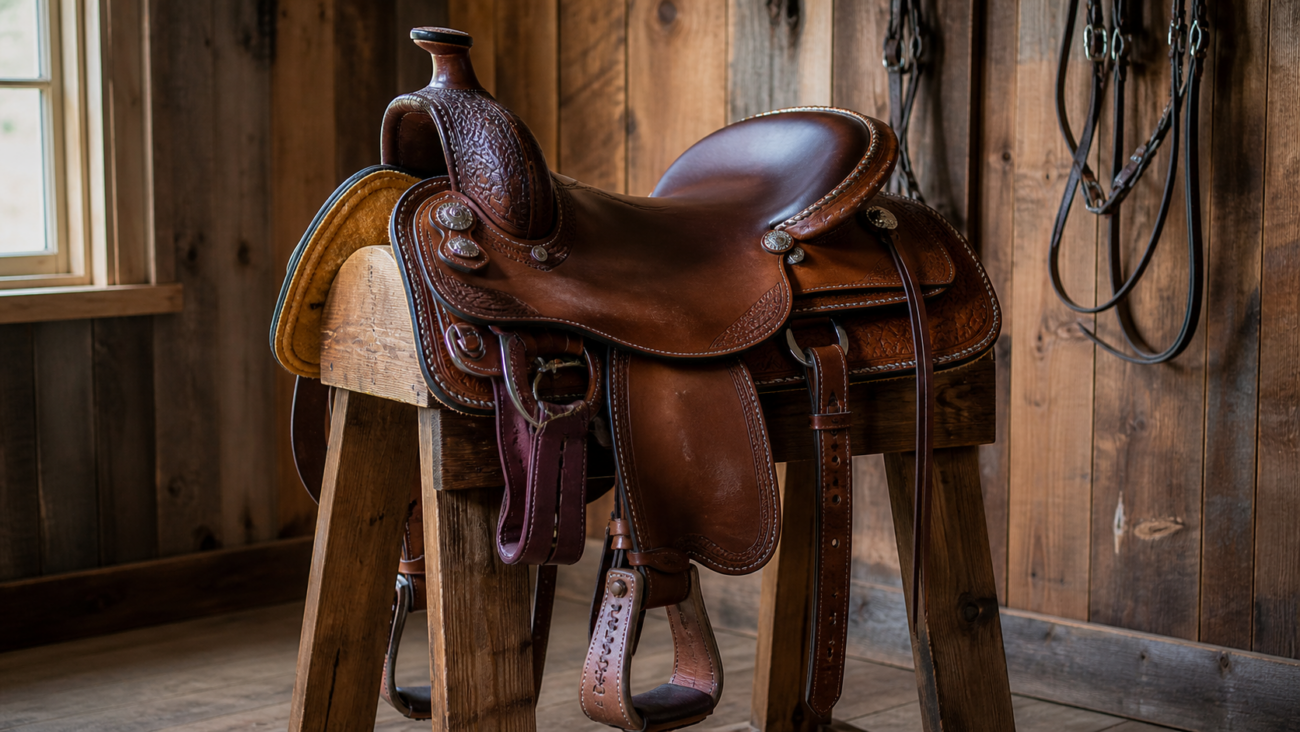
Riding style determines saddle style. English saddles are smaller, lighter, and built around close contact for jumping, dressage, and eventing. Western saddles are larger, heavier, and built for long days of work, trail, and ranch riding. Both can fit beautifully or badly — discipline does not equal fit.
Pick the saddle style that matches the riding you actually do, not the riding you imagine doing one day.
Saddles 101 — tree, panels, gullet
Three terms every saddle shopper should understand:
- Tree: the rigid frame inside the saddle. Tree width must match your horse’s wither and shoulder shape.
- Panels: the cushions under the seat that distribute weight. Panel shape must match your horse’s back contour.
- Gullet: the channel down the saddle’s spine. It must clear your horse’s spine entirely — never press on it.
You will see “wide tree” and “narrow tree” used loosely. Brand sizing varies wildly. Trust a fitter, not a label.
Bridles and bits
A bridle should sit comfortably without pinching. Browband flat across forehead, cheekpieces level, throatlatch loose enough for two fingers. The bit hangs neither too high nor too low.
For bits, start simple. A snaffle (D-ring or eggbutt) works for most beginner riders and most horses. Avoid jumping into severe bits — they are tools for specific situations, not solutions to training problems.
Saddle pads (quick intro)
The saddle pad sits between the saddle and the horse to absorb shock and protect the back. It is not the same as a horse blanket, which is body-warmth gear. Saddle pads come in many shapes — square, contoured, half-pad — and many materials.
For more on this: see our Saddle Pads vs Horse Blankets: What’s the Difference? guide (coming soon).
New vs used tack
Used tack can be a great value if it is in good condition and the right fit. Always inspect:
- Stitching and billets (no fraying or cracking)
- Tree integrity (sit on a flat surface, push down — no twist)
- Panel symmetry
- Leather condition
For a first saddle, a fitted used saddle from a reputable consignment shop often beats a brand-new ill-fitting one. Run any used purchase past a fitter before committing.
Materials and care
Quality leather tack lasts decades with care. Synthetic tack is lighter, weatherproof, and more affordable, but typically does not match leather’s lifespan or feel.
- Wipe leather tack after every ride
- Condition with a quality leather conditioner monthly
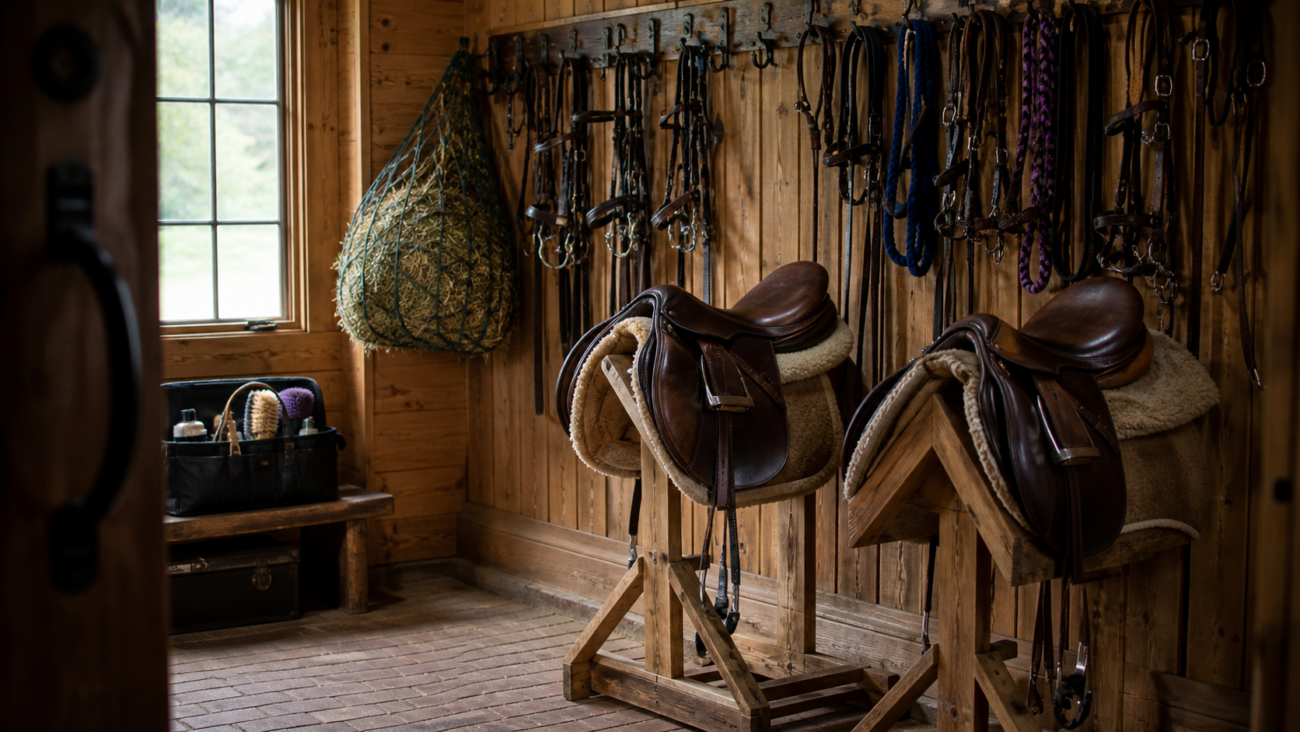
- Store on proper racks in a climate-controlled tack room
- Avoid soaking tack — water damages leather
When to upgrade
Upgrade your tack when:
- Your horse changes shape (weight loss, muscling up, age)
- Your discipline changes
- You outgrow the seat size
- The tree shifts or panels flatten
- Your fitter recommends it after a fit assessment
Do not upgrade just because something newer caught your eye.
Helmet and boots first
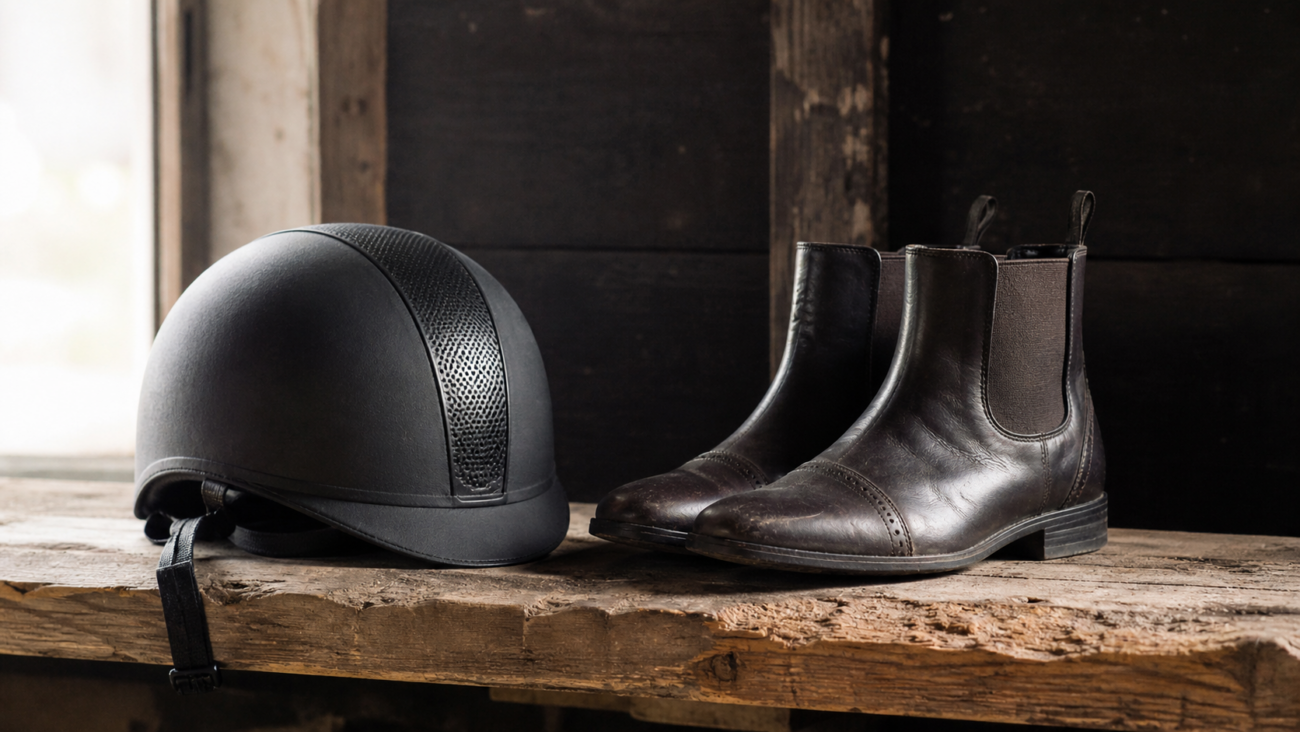
If your budget is tight, prioritize a properly fitted, certified riding helmet and safe paddock boots over a flashy saddle. We cover this in our Riding Boots & Helmets: Safety Essentials guide (coming soon).
A beginner’s tack-buying checklist
- ✅ Saddle fit assessed by a professional fitter
- ✅ Saddle style matches your actual riding
- ✅ Bridle fits without pinching, browband flat
- ✅ Mild snaffle bit unless trainer advises otherwise
- ✅ Saddle pad shape matches saddle
- ✅ Leather inspected before purchase
- ✅ Care kit (soap, conditioner, sponges) on hand
FAQ
How much should I spend on my first saddle?
Quality used saddles typically run from a few hundred to mid-thousand dollars. New saddles range widely. Spend more on fit (fitter visit) than on brand. A well-fitting used saddle beats a poorly fitting new one every time.
Can I share one saddle between two horses?
Only if a fitter confirms it fits both. Horses change shape with age, fitness, and season. A shared saddle should be checked seasonally.
How often should I have a saddle fitted?
At least once a year for an actively ridden horse, and any time your horse’s body condition changes noticeably or behaviour under saddle changes.
Are synthetic saddles any good?
Yes — modern synthetic saddles offer good value, are lighter, and handle weather well. They tend to last fewer years than leather but are excellent for budget-conscious or weather-exposed setups.
What if my horse pins ears or behaves badly during tacking?
Treat it as a possible fit or pain issue. Stop riding, call a saddle fitter, and consult your veterinarian to rule out back pain or ulcers. Behaviour change is information, not disobedience.
The takeaway
Choosing horse tack is mostly about fit, patience, and the right professionals. Get a fitter involved early, prioritize safety gear, and build your kit over time. Browse our Equestrian & Ranch shop for tack and accessories, or explore more horse guides on the Petrending blog.







 Food & Nutrition
 Treats & Chews
 Toys
 Beds & Furniture
 Bowls, Feeders & Hydration
 Collars, Leashes & Harnesses
 Crates, Carriers & Travel
 Apparel & Accessories
 Grooming
 Health & Wellness
 Training & Behavior

 Food & Treats
 Litter & Cleanup
 Toys
 Trees & Scratchers
 Beds & Furniture
 Bowls & Feeders
 Health & Wellness
 Collars, Harnesses & Apparel
 Carriers & Travel